
Conversations
Photographing Belonging
Bill Bernstein on Studio 54, Paradise Garage, Larry Levan, and the communities he found inside New York nightlife
Interview by Violetta Markelou
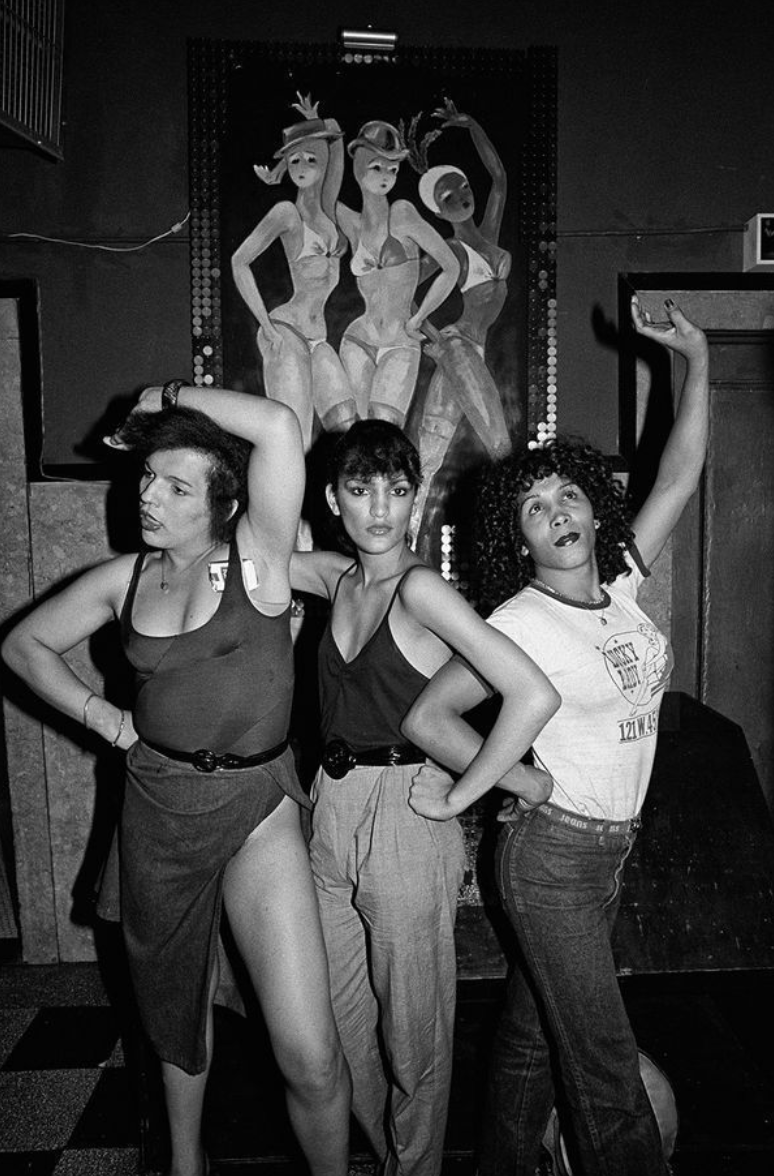
Before Bill Bernstein’s photographs became part of the visual mythology of New York nightlife, they began with a question:
What, exactly, was happening inside these rooms?
In the late 1970s, Bernstein was a young photographer working in New York when an assignment from The Village Voice brought him to Studio 54. What he encountered led him beyond a single night and into a photographic study of the city’s club culture.
He photographed Studio 54, Paradise Garage, Xenon, the Mudd Club, and other spaces where music, performance, fashion, sexuality, and identity converged. The images became closely associated with the glamour and excess of disco, but Bernstein now sees the work differently.
“It’s never really been about disco,” he says. “It’s about community, belonging, and freedom.”
The Meaning Arrived Later
“I don’t think I was completely aware of it back when I was shooting,” Bernstein tells me. “I was just shooting things in front of me that I thought were fascinating.”
He entered the clubs with a persistent curiosity. What was going on here? What did it mean? How long would it last?
Those questions kept him returning with his camera, even as commercial assignments paid the rent. He imagined that a few images might be published and that eventually he would move on.
Years later, while preparing his book Disco: The Bill Bernstein Photographs, he began considering why the images still mattered.
By then, he could see the clubs within the larger social history surrounding them. The photographs were made in the aftermath of the civil rights movement, women’s liberation, gay liberation, Stonewall, and the Vietnam War. Communities that had often existed outside mainstream visibility were creating spaces of their own.
When disco and nightclub culture emerged, those worlds came together in ways Bernstein had not seen before.
“You would see straight Wall Street people next to really out-there trans women and men,” he says. “There was a heavy gay population, a Black population—and to all of them, it felt like home.”
A Second Home
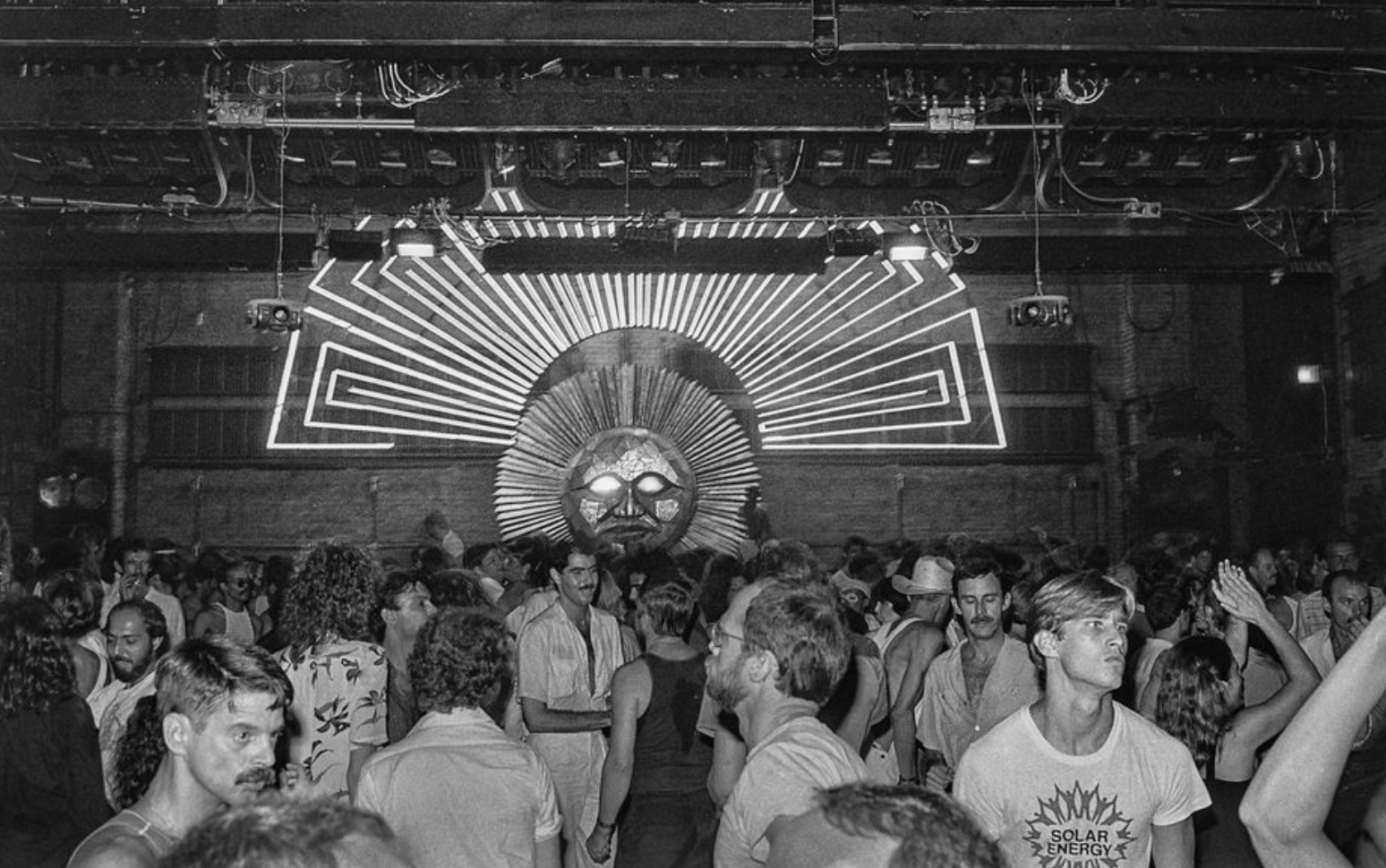
Paradise Garage offered one of the clearest examples of how a nightclub could become more than a place to hear music.
Many people returned every weekend and described it as a second home. They may not have spent time together outside the club, but inside it, they recognized the same faces.
“They would go there, and they would be seen,” Bernstein says. “They would feel they were part of something.”
Each venue developed its own culture. Studio 54 had one community. Xenon had another. The Mudd Club cultivated a different sensibility entirely.
People returned because they understood the room, and the room seemed to understand them.
Sometimes belonging did not require knowing everyone personally. It could simply mean entering a space where your presence made sense.
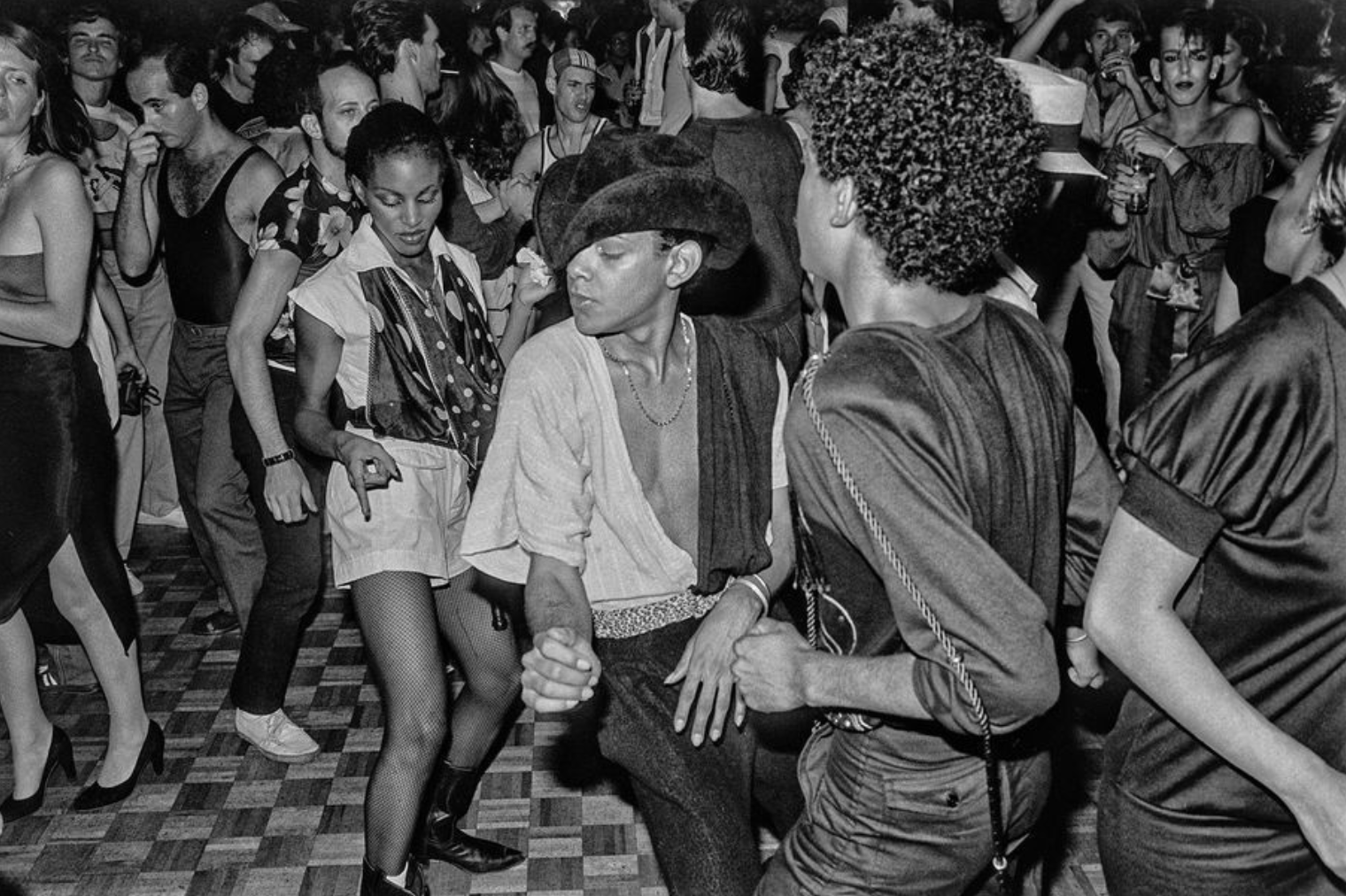
When the Club Becomes a Church
Bernstein compares the feeling inside certain clubs to a spiritual experience.
“A church can be a church with a preacher and statues around you,” he says, “or it can really be in a club. When it’s really happening—when it’s really cranking—it’s the same feeling.”
He witnessed that exchange while photographing Larry Levan at Paradise Garage.
Bernstein spent approximately an hour in the booth, mostly watching as Levan worked.
“He really watched the crowd,” Bernstein remembers. “His whole thing was watching the crowd and orchestrating it through the choices of what he played.”
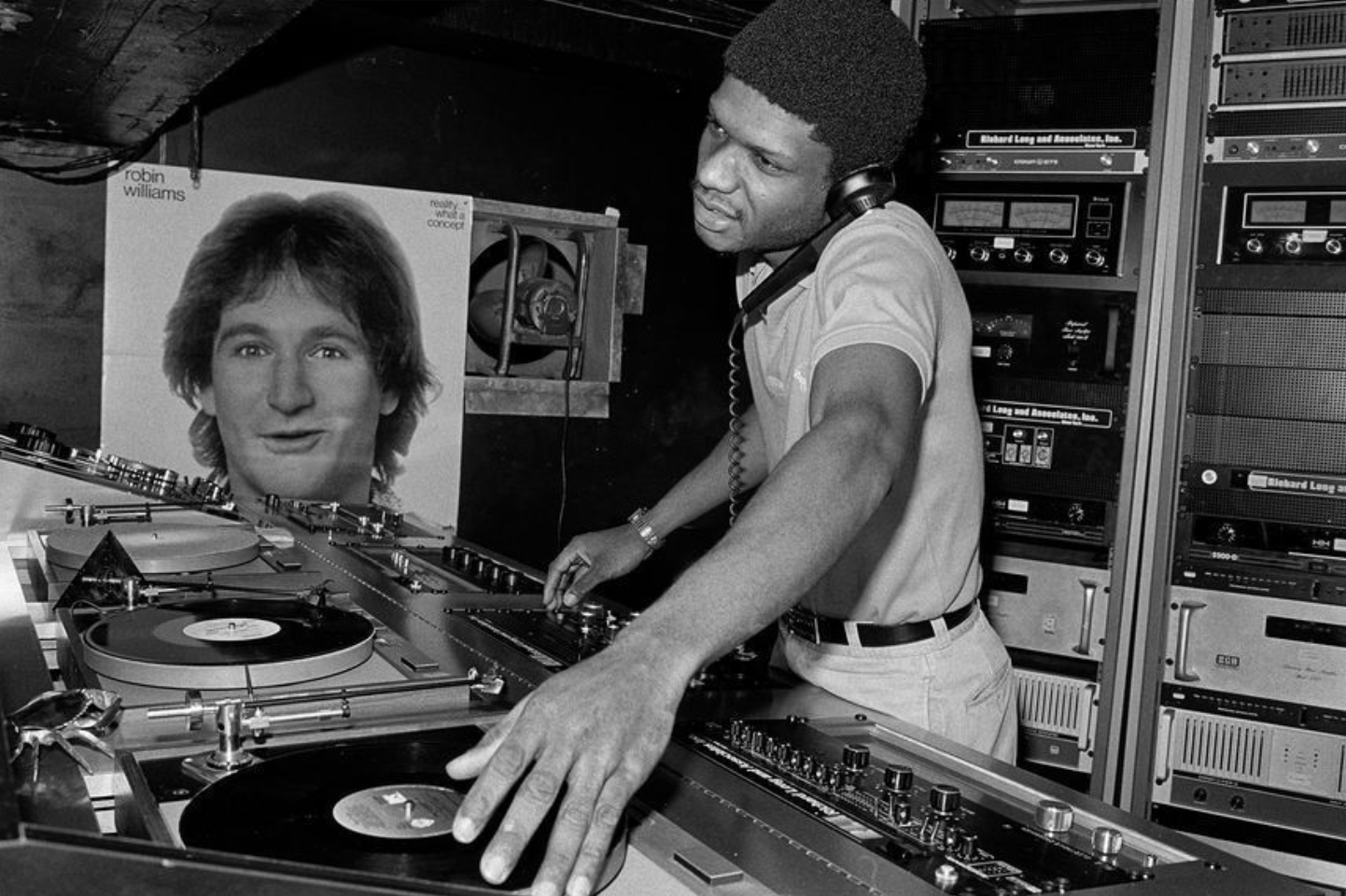
Bernstein had heard about Levan’s reputation for more than a year before meeting him. Once inside the booth, he asked what made his approach so distinctive.
What he remembers most clearly is Levan shifting the attention away from himself.
“He basically said, ‘It’s not about me. It’s about them out there. I have to read that, and I have to take it to the next level for them.’”
Levan also understood the equipment. He knew what happened from the moment the needle entered the groove, through the amplifier, and out into the speakers. He worked with sound-system designer Richard Long, helping create the physical force and clarity for which Paradise Garage became known.
Bernstein describes watching him as “watching a master at work.”
Levan might play rock and roll, a show tune, or something from The Wizard of Oz if he believed the moment called for it. He was not simply asking which disco record should come next.
He was asking:
What sound does this room need right now?
The Freedom of Being Unobserved
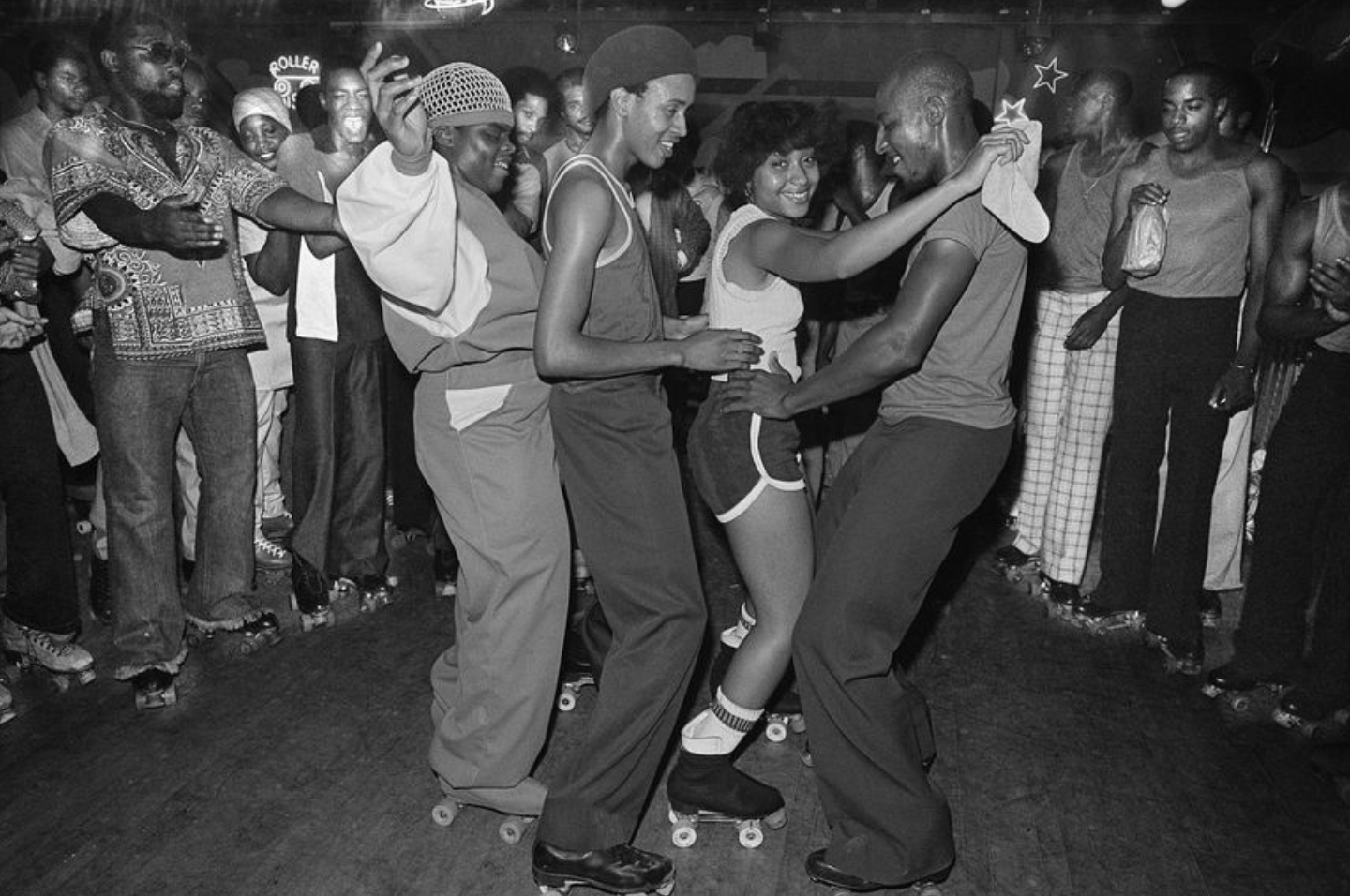
Looking at Bernstein’s photographs today, one of the most striking qualities is how unguarded the people appear.
They are dancing, touching, performing, undressing, and surrendering themselves to the room without seeming preoccupied by how the moment might appear to an outside audience.
Bernstein believes part of that freedom came from living before social media and camera phones.
“When people saw you with a camera, they didn’t really think about it,” he says.
Today, the presence of a phone can immediately raise a different set of questions: Where will this be posted? Who will see it? How do I look?
The camera did not yet carry that implication in the same way.
People saw others losing their inhibitions and felt permission to do the same.
“If one woman took her top off, all of a sudden the room was freed up in some way,” Bernstein says. “It wasn’t a big deal. It was forming its own little culture, and here were the rules of the culture.”
Those rules were unwritten and created collectively.
“You’re discovering who you are through that,” Bernstein says. “You’re not hiding. You’re allowing yourself to explore.”
The nightclub became a temporary world in which clothing, gender, sexuality, movement, fantasy, and performance could be tested.
Bernstein hopes younger generations looking at the photographs recognize the value of that experience.
“I hope they understand what it is to have nonjudgmental freedom—freedom of expression—in your life,” he says. “There is probably an inhibition in the world these days, and it holds you back.”
The Photograph That Began Everything
When asked whether one image best expresses the spirit of the project, Bernstein returns to one of the first photographs he made.
It depicts a couple dressed in tuxedos, including a woman wearing traditionally masculine formalwear. As he raised his camera that night, Bernstein thought immediately of the film Cabaret and its portrayal of the underground culture of Weimar-era Berlin.
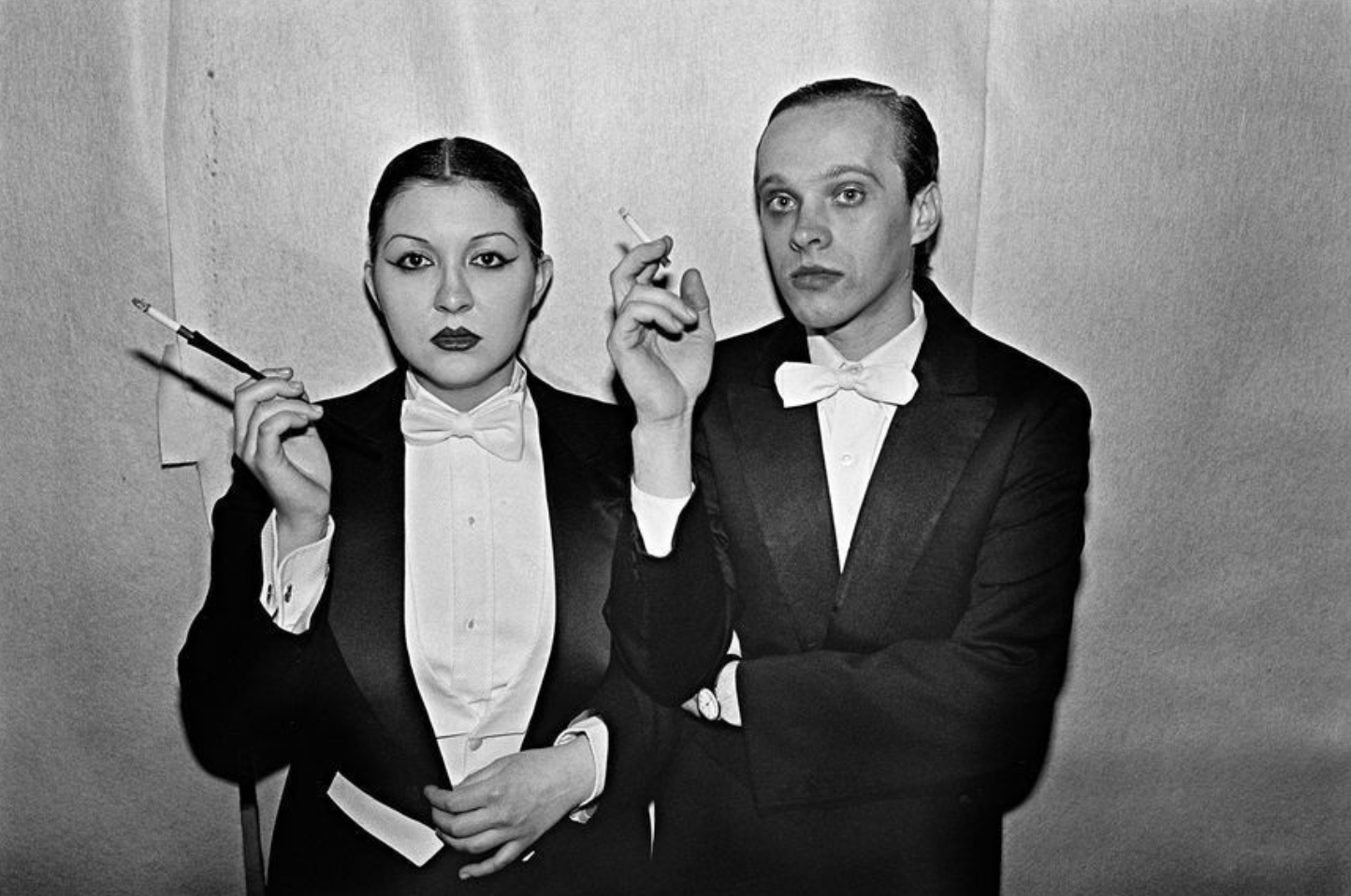
He saw a connection between that earlier world and the New York unfolding before him: a city that appeared sexually liberated, experimental, unruly, and alive with subcultures mixing beneath mainstream society.
“This is the underground,” he remembers thinking. “This is an alternate culture, an alternate universe.”
That realization shaped the way he photographed the clubs over the next year and a half.
“These people were all looking for something,” he says, “and finding something here.”
The image later appeared on the cover of his book, even though Bernstein had not proposed it. The publishers seemed to recognize that it held something essential about the larger body of work.
For Bernstein, it marked the beginning of the story.
The Curiosity Behind the Image
Listening to Bernstein describe Larry Levan’s process also reveals something about his own.
Both the DJ and the photographer need technical command, but neither can remain trapped inside conscious calculation.
“You can’t overthink,” Bernstein says. “You just have to be really curious.”
When photographing nightlife, he watched body language, gestures, relationships, and small changes in the room.
“I go to another part of my mind when I’m shooting,” he says. “You’re in the zone.”
He did not know in advance which expression, movement, or encounter would become the photograph. Technique allowed him to be ready. Curiosity told him where to look.
One song, however, could interrupt that concentration.
When Michael Jackson’s “Don’t Stop ’Til You Get Enough” came on, Bernstein sometimes lowered the camera. He would listen and look around the room, allowing himself to experience the music rather than translate it into an image.
The sound system, lighting, smoke, DJ, dancers, and atmosphere worked together to create what he describes as an unbelievable feeling—an alternate reality that might last for four or five hours.
Beyond Glitter and Gloss
For years, Bernstein says, disco was dismissed by much of America as superficial—reduced to glamour, celebrity, glitter, and gloss.
The historical importance of what he had photographed was not immediately recognized. An early book featuring the work appeared just as the disco era was ending and received little attention.
The archive went quiet before later generations returned to it.
Only with time did the photographs reveal themselves as a record of something broader.
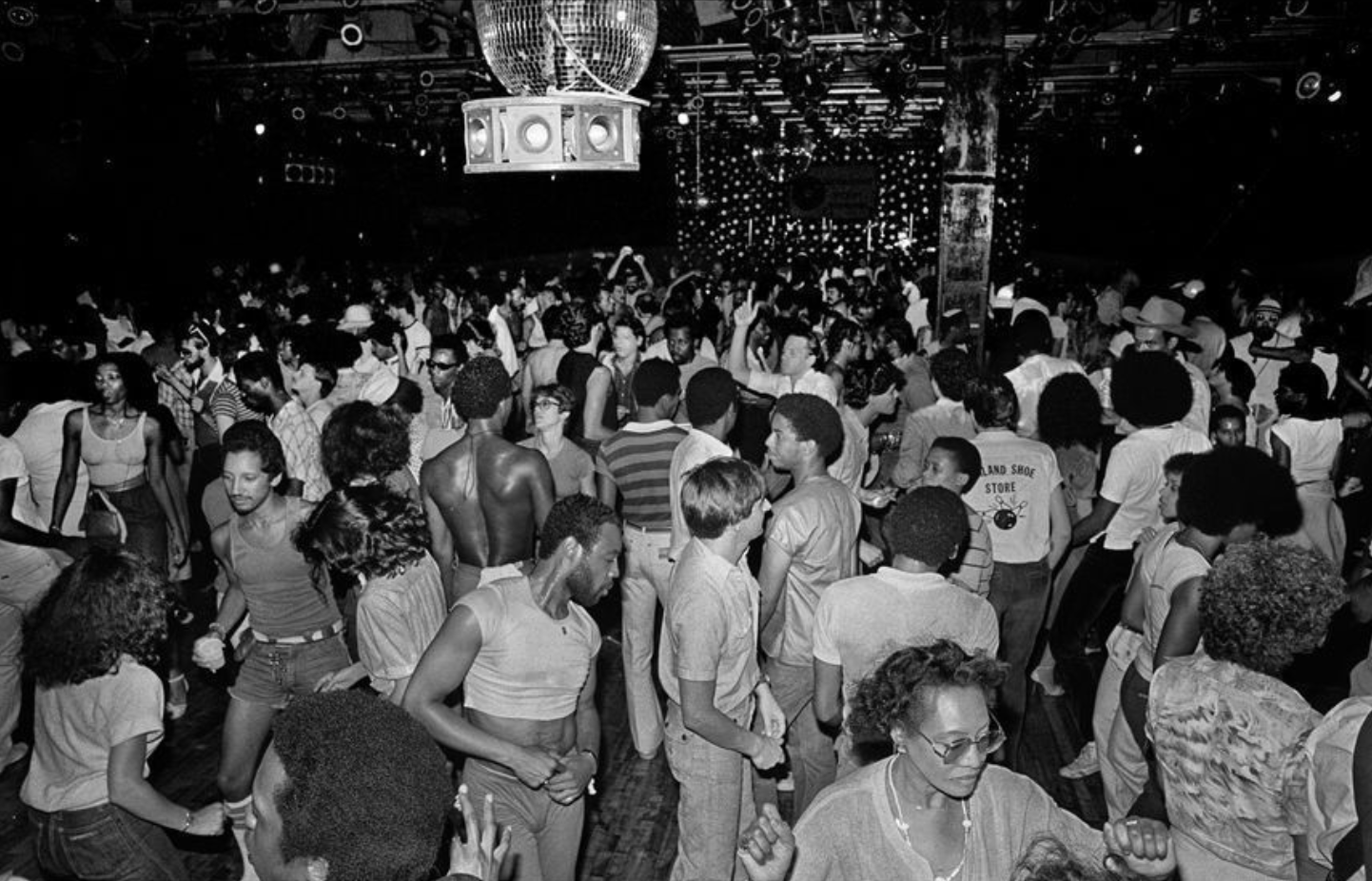
They show Black, Latin, queer, trans, straight, wealthy, working-class, famous, and anonymous people occupying the same rooms. They show communities creating spaces of visibility and influencing music, dance, fashion, and the culture beyond the clubs.
Bernstein did not believe he was creating history while he was photographing it.
“You don’t think that way,” he says. “You think in terms of what is happening right now in front of you.”
What the Photographs Remember
Bernstein’s photographs preserve a world that existed before every moment could be immediately recorded, posted, and consumed.
They show people moving without constantly watching themselves from the outside.
They show rooms shaped not only by architecture, but by sound, trust, repetition, and the people who returned each week.
They show a DJ studying the crowd from the booth and asking what the room needed.
They show strangers recognizing one another.
Looking at the images now, we are not simply witnessing a vanished era. We are seeing what those rooms made possible.
For a few hours, people entered another world.
And inside it, they found one another.